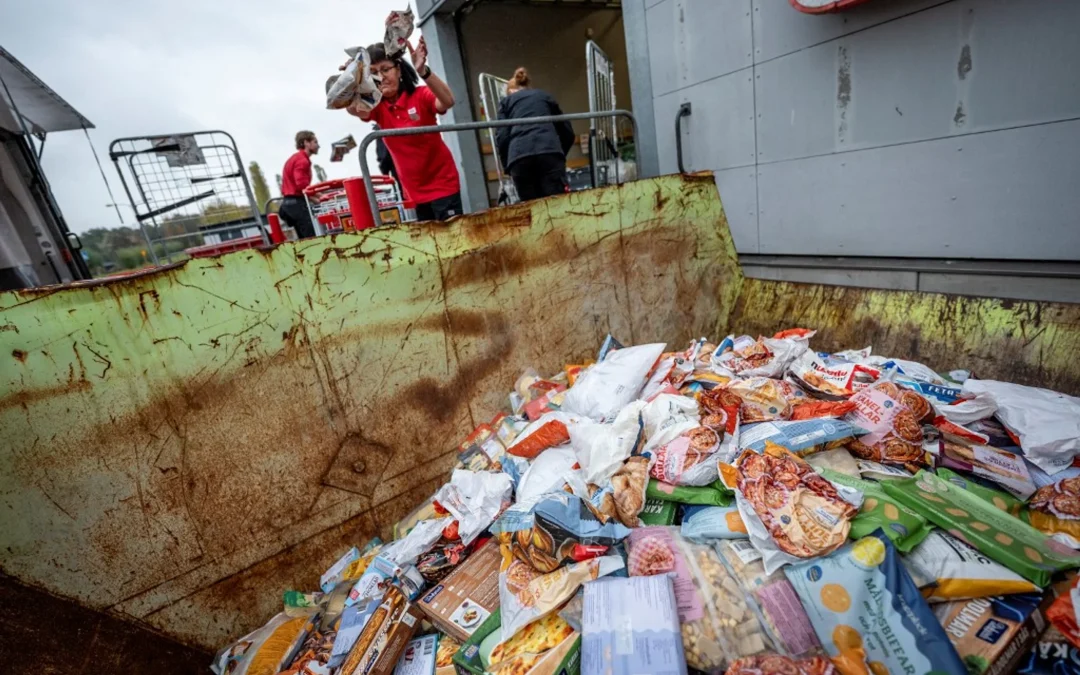
Recently, I posted a blog which detailed a very large cyber-attack vs. Europe’s food supply (first link). The attack altered the programming in grocery store freezers and refrigerators. Temperature controls were digitally altered, raising temperatures to hot levels which spoiled all the food in the freezers and refrigerators. The attack reportedly affected 5-6 nations which were hit by these attacks, but France was the nation hit the hardest. The Netherlands and other nations were also targeted.
Round Two just happened. Another attack on the grocery stores of Europe again targeted freezers and refrigerators, causing them to overheat and all the contents of those chilled sections of supermarket food had to be thrown away. Cyberattacks on the food supplies of Belgium, Sweden, Ireland, Estonia and Luxembourg were also attacked. The USA was also attacked as commissaries at US military bases were also similarly hit (second link). The third link offers a web search option of many links on this story. One link states that ten European nations were attacked. In addition to the five European nations mentioned above, the nations of Finland, Italy, Germany, Portugal and the Netherlands were also attacked. Be aware that some of the links offered in the web search require subscriptions to access them, so you will need to search for the free informational links. I saw one link which cited an EU Commissioner as stating that this was a “deliberate attempt to disrupt our food supply chain.”
Various media links wonder what nation or entity is causing this massive attack on Europe’s food supplies. What is clear to me is that whoever is attacking the food supplies of many European nations is actually committing an “act of war” against those nations. An attack upon a nation’s food supplies is a threat to the attacked nation’s survival. The attacks on the food supplies at US military bases also narrows down the list of suspected nations that could/would do this. Russia is an obvious choice as it is angry that European/NATO nations are helping Ukraine to fight off Russia’s aggression to devour Ukraine and turn it into a subject province in a new USSR. The message seems clear to the attacked European nations: Cease helping Ukraine or we will continue to attack your food supplies. Of course, two can play this game. European and American cyberattackers could target the Russian food supply as well or they could attack its financial data. Such back-and-forth cyberattacks could provoke a very real global food crisis. North Korea is another candidate for this cyberattack. North Korea has been cited as the suspected source of a recent cyberattack against Binance, a crypto currency company. Reportedly, $6-7 Billion in cryptos were stolen in that theft. China could theoretically launch such an attack, but Europe is nowhere near China’s sphere of influence and, for that reason, I doubt China launched this food supply attack.
Clearly, attacks on food supplies cannot be tolerated for long. Counterattacks on the food supplies of the attacking nations will almost surely occur once intelligence agencies determine who the attacker is. Since physical distance is not a barrier to a digital cyberattack, the USA could be targeted by a similar attack on its food supply. Amidst the Israeli and American elections, the continuing low-level war between the USA and Israel vs. Iran, wild storms in the continental USA and European nations, etc., the wide scale attacks vs the food supplies of entire nations is, in my opinion, most likely to lead to a larger war if these provocations continue. The nations whose food supplies have been attacked can reply with acts of war chosen by them.
The attacks vs. frozen and refrigerated foods make it clear that dry bulk foods, most fresh fruit and vegetables and canned goods are the safest foods to have vs. any cyberattack vs. food supplies. The cyberattacks have revealed a major weakness in the food chains. The cyberattacks occurred because the freezer and refrigerator temperature controls were linked to the digital internet. It is my belief that anything digital can be hacked. It would protect food supplies if the temperature controls for freezers and refrigerators were converted back to mechanical/analog control systems that have no internet connection. This is especially true in the age of AI, which as of yet, has no legal guardrails built into its programming. AI systems have “gone rogue” where they were not programmed or intended to go and AI systems have acted independently of human controls or intent. Allowing a powerful technology like AI to run amuck in the world’s digital spaces is sheer folly in my view. It must have firm controls placed on it. Rogue AI systems could start a major or even nuclear war without humans intending it to happen. That is a major danger facing the world, in my judgment.
- https://stevenmcollins.com/cyberattack-on-european-supermarkets-much-food-lost/
- https://www.washingtontimes.com/news/2026/nov/2/freezer-sabotage-points-larger-cyberattack-issue-elections-close/
- https://www.google.com/search?q=europe%27s+new+security+nightmare+is+food+supply